

Orthopaedic Blog
Clear, patient-focused information about orthopaedic conditions, injuries, recovery, and treatment pathways. Explore articles covering knee, hip, foot, ankle, sports, trauma, and fracture-related concerns to better understand symptoms, assessment, rehabilitation, and when surgical care may be considered.

When Foot Pain Starts Affecting Your Knees, Hips or Lower Back
Persistent foot pain can sometimes alter walking mechanics and place additional stress on the knees, hips, and lower back. Conditions such as bunions, flat feet, arthritis, tendon dysfunction, and unresolved injuries may gradually affect posture and movement patterns over time. Understanding how these changes occur may help patients seek earlier assessment and management.
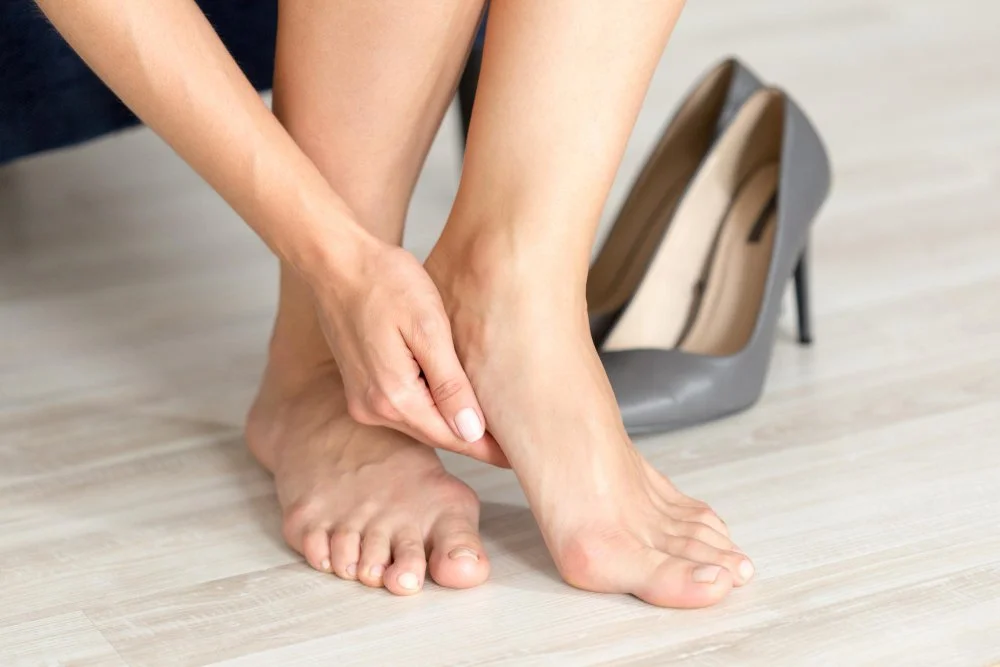
How Do You Know If a Bunion Is Actually Getting Worse?
Bunions do not always worsen at the same rate, but progressive deformity may gradually affect walking mechanics, footwear comfort, joint stiffness, and daily activity. Signs such as increasing toe drift, forefoot pain, reduced mobility, and pressure-related irritation can indicate structural progression requiring further assessment.

When Knee or Shoulder Pain Isn’t Improving: How Orthopaedic Surgeons Assess the Cause
Knee or shoulder pain is not always caused by structural damage. Some symptoms relate to strength, control, or movement patterns. Orthopaedic assessment helps identify whether pain is structural or functional, guiding treatment decisions and helping patients understand when surgery may or may not be appropriate.

Told You Might Need Surgery for a Meniscus Tear? What Patients Often Question Before Saying Yes
Being told you may need surgery for a meniscus tear can feel uncertain. Many patients question whether it is necessary, what recovery involves, and if other options remain. Orthopaedic assessment looks beyond scans to guide decisions based on symptoms, movement, and long-term function.